
The 6 Step Guide to Choosing the Best Chiller for your Application
Heat is a single common by-product of today‘s manufacturing machines that include the advanced automation technology required for both high speed operation and high precision. Components such as spindle motors, variable frequency drives, laser and x-ray sources all require cooling to operate properly and reliably – most often in the very adverse manufacturing environments.
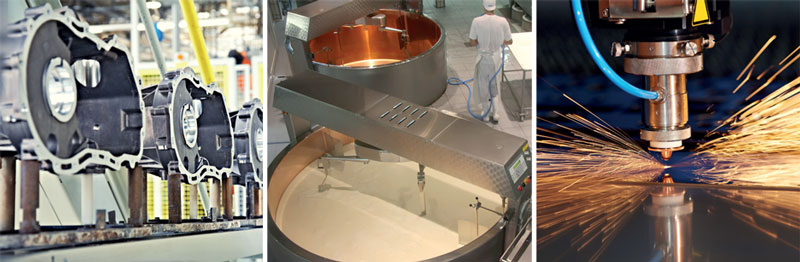
With manufacturing space at a premium, machine packages have become smaller and liquid cooling has emerged as the most efficient and economical means of removing process heat. Liquid cooling is especially well adapted to hot, dirty environments, where it provides a method of removing the heat from the machine and not contributing additional heat back into the environment.
A quick guide to choosing the correct chiller:
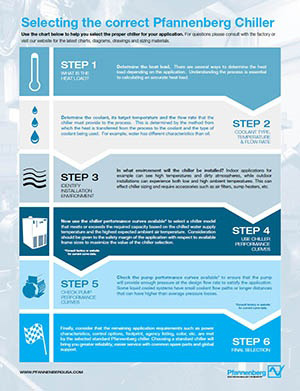
As each industrial environment is different, Pfannenberg designed a 6-steps guide to help you select the proper chiller for your application:
 Step 1: Determine the Heat Load
It is important to determine the heat load of your application to ensure the chosen chiller is big enough for the intended application.There are several ways to determine the heat load (in BTU) but understanding the process is essential to calculating an accurate heat load.
 Step 2: Determine the Coolant Type, Temperature & Flow Rate
When the heat load is known, the next step is to determine the coolant, its target temperature and the flow rate that the chiller must provide to the process. This is determined by the method from which the heat is transferred from the process to the coolant and the type of coolant being used. For example, water has different characteristics than oil.
 Step 3: Identify Installation Environment
In what environment the chiller will be installed? Indoor applications for example can see high temperatures and dirty atmospheres, while outdoor installations can experience both low and high ambient temperatures. This can effect chiller sizing and require accessories such as air filters, sump heaters, etc.
 Step 4: Use Chiller performance curves
Now use the chiller performance curves available to select a chiller model that meets or exceeds the required capacity based on the chilled water supply temperature and the highest expected ambient air temperature. Consideration should be given to the safety margin of the application with respect to available frame sizes to maximize the value of the chiller selection. Find all Pfannenberg Chillers Performance Curves on Thermal Management Catalog.
 Step 5: Check Pump performance curves
Check the pump performance curves available to ensure that the pump will provide enough pressure at the design flow rate to satisfy the application. Some liquid cooled systems have small coolant flow paths or longer distances that can have higher than average pressure losses.
 Step 6: Final Selection
Finally, consider that the remaining application requirements such as power characteristics, control options, footprint, agency listing, color, etc. are met by the selected standard Pfannenberg chiller. Choosing a standard chiller will bring you greater reliability, easier service with common spare parts and global support.
>> Click here to download the PDF version of this guide.
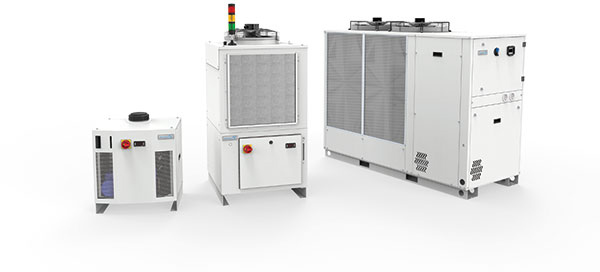
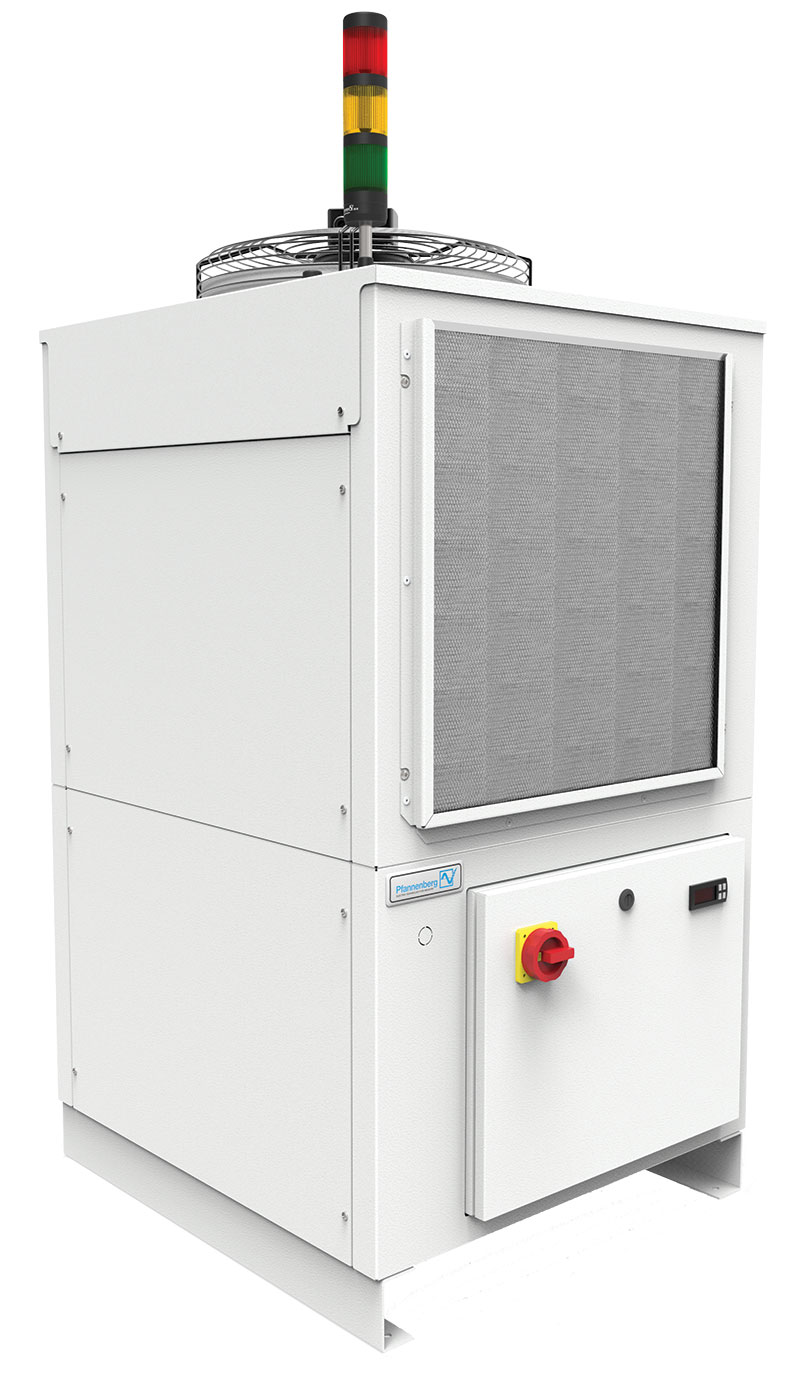
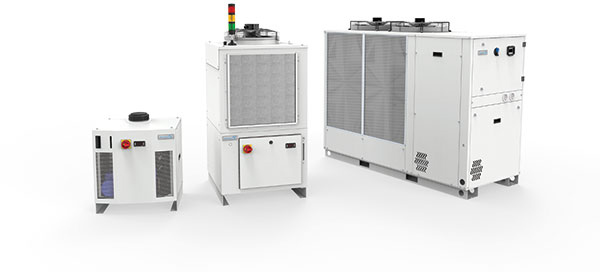
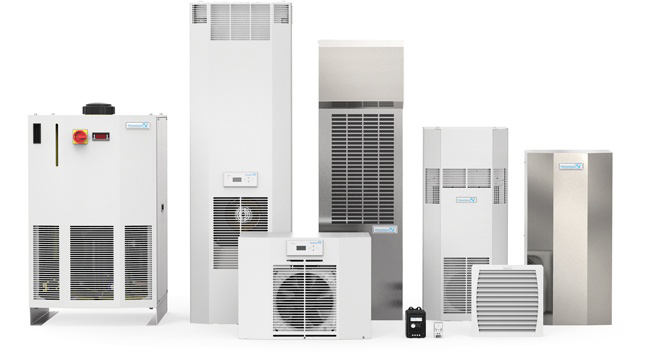
 Pfannenberg offers a versatile range of packaged chillers, ranging in sizes from less than ½ Ton to 30 Tons insuring the proper capacity available for most applications. These packaged chillers are ready to use requiring only piping and power to install as part of your solution for process cooling applications – we‘ll even provide the coolant. Ethylene & Propylene Glycol coolants, with proper corrosion inhibitors are available in a variety of packaging options – both full strength and pre-mixed. Each chiller model includes the pump, tank, refrigeration system and controls required for simple installation and reliable, efficient operation.
Our knowledgeable applications staff is always on hand to discuss the application and to make sure that a proper selection is made. With our many available equipment options we can easily customize our standard chillers to meet specific application requirements.
Contact our engineering team for more information!
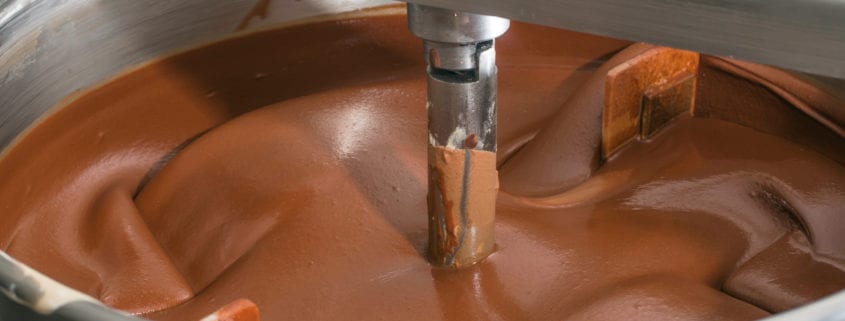
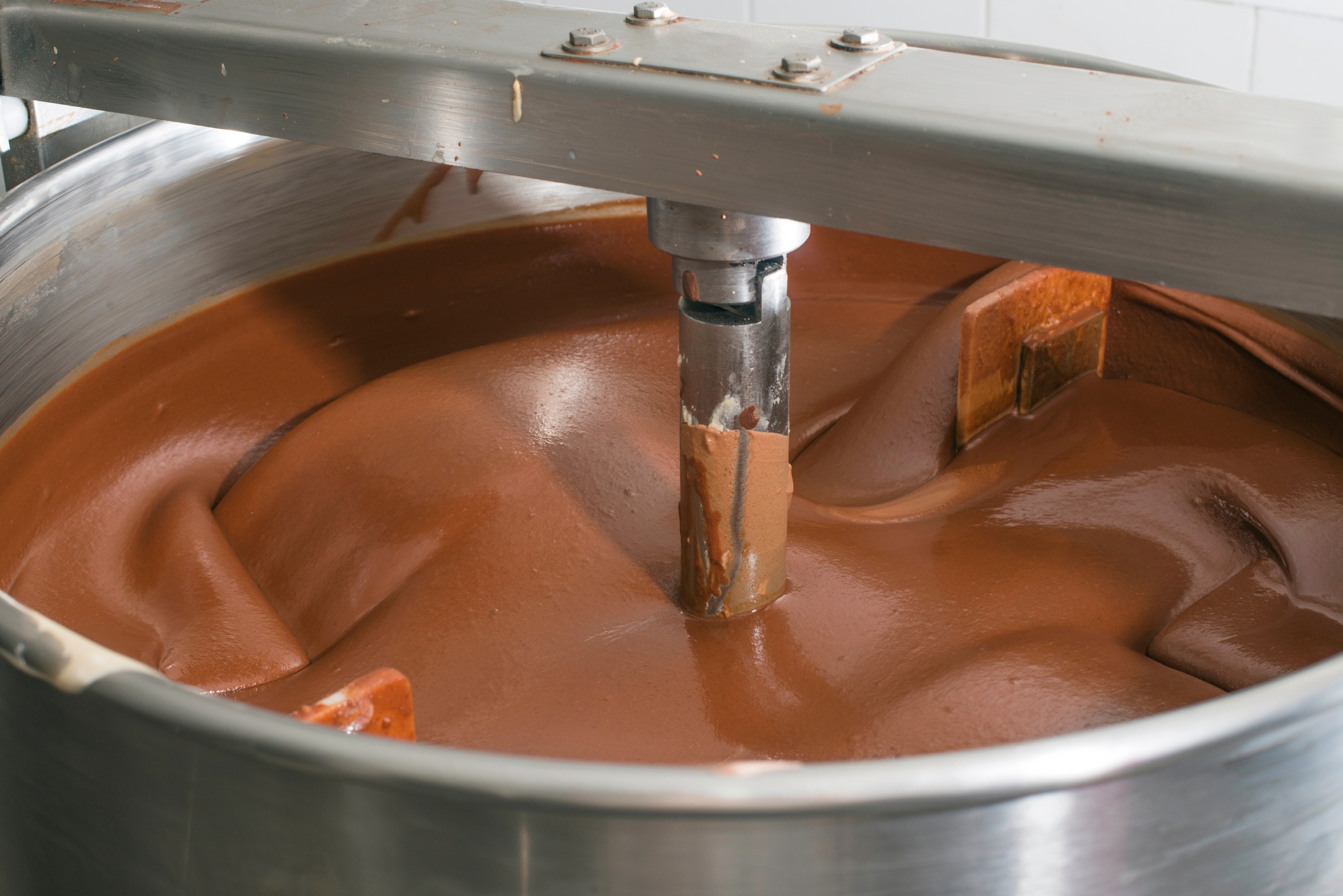
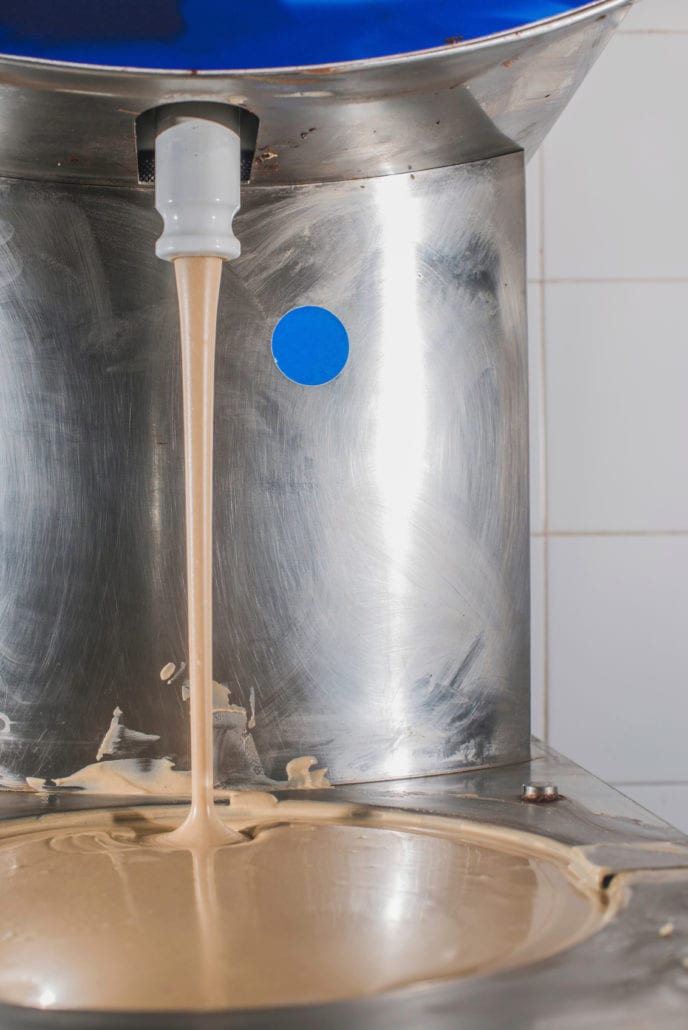 Tempering gives chocolate a distinctive shine and color; adding additional flavor. It is crucial to have strict temperature control. For tempering, a cooling tunnel is used to take the ambient air; cooling the air to approximately 50°F. The air then needs to be heated to ambient air temperature. Pfannenberg’s







 ng table, where the candy has its flavoring added and mixed. The amber liquid when being first mixed is heated up to around 300°F. Once being transferred to the kneading machine, this large machine will mix in the flavoring by pushing and folding the candy – slowly cooling the product from its hot temperature.


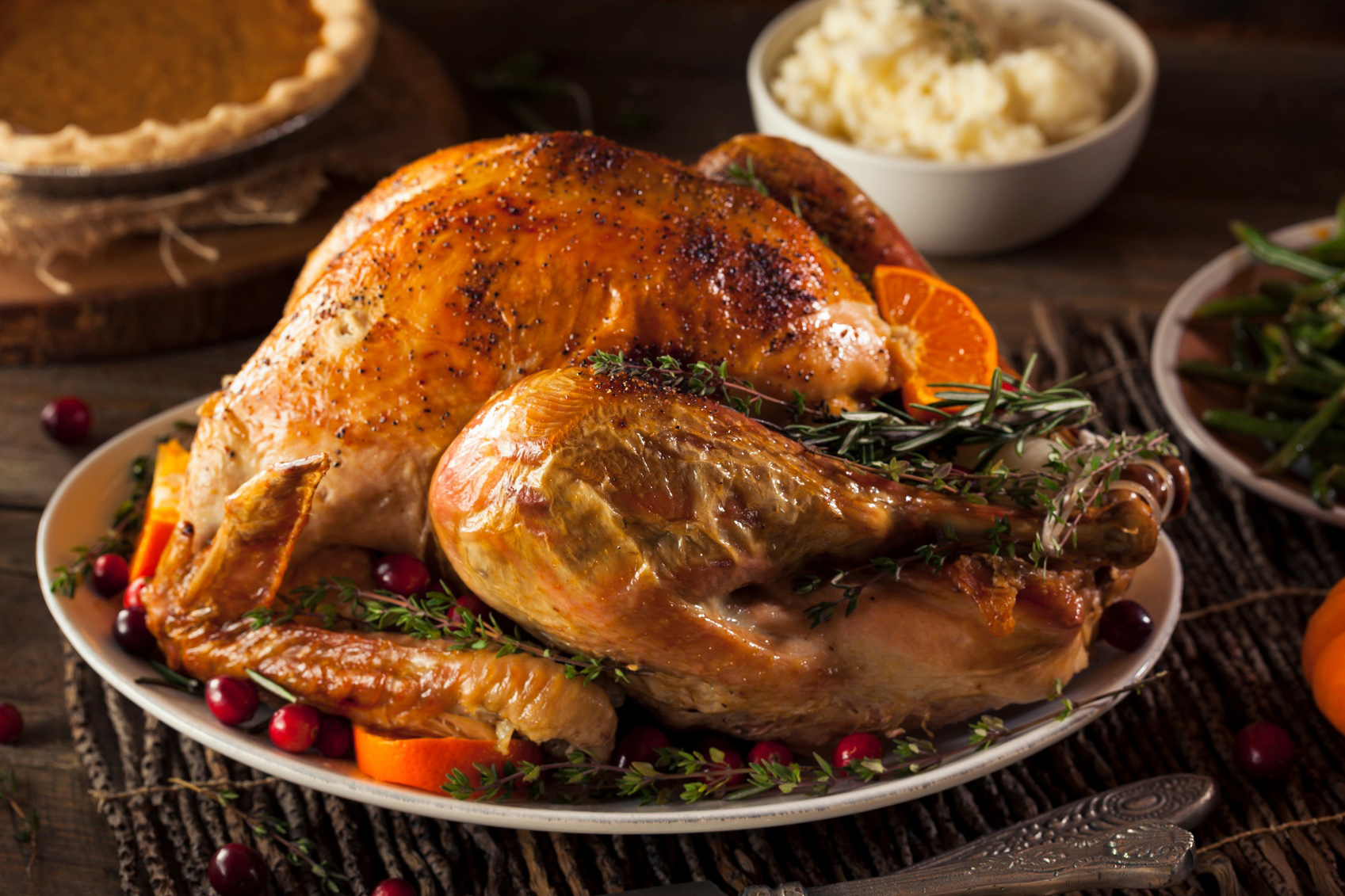
 Tis’ the season – for we have many things to be thankful for this year! With the holiday season quickly approaching, we are taking the time to reflect on all of our blessings. Common dishes for most Traditional American Thanksgivings include turkey, cranberry sauce, stuffing, green bean casseroles, fresh baked rolls, and pumpkin pie. Most of us look forward to this holiday all year, for it is a time to be thankful and gather with loved ones.
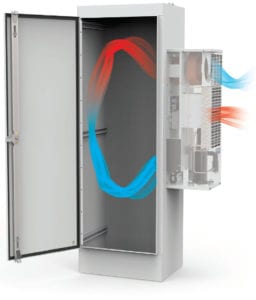 When it comes to the vacuum packing machines they operate at very high speeds, processing many turkeys in a short amount of time. It’s critical that the control enclosure electronics do not overheat. Proper cabinet temperature control is essential to keeping production on schedule. To keep these electrical enclosures cool, the processing facility has several options. If using traditional enclosure air conditioners (cooling units) then our washdown NEMA Type 4/4x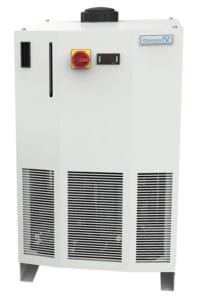
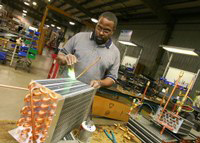


 It is recommended to use a Water-Glycol
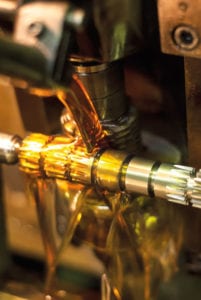 Cooling with oil is dedicated to very specific applications in which the process liquid is an oil or an emulsion with a high viscosity. Pfannenberg’s EB Chillers allow the maximum cooling capacity in the smallest possible footprint.
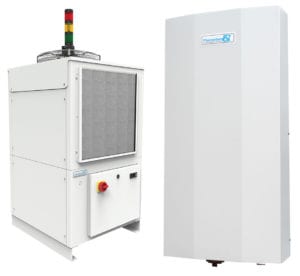
 Whatever your industry, selecting the best packaged chillers to meet the demanding requirements of your industrial applications can be complicated.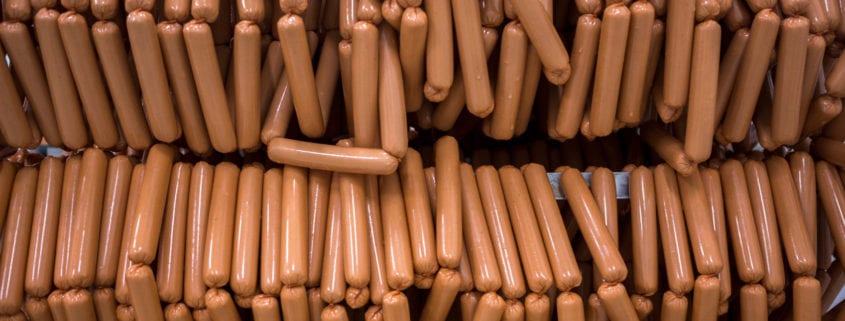
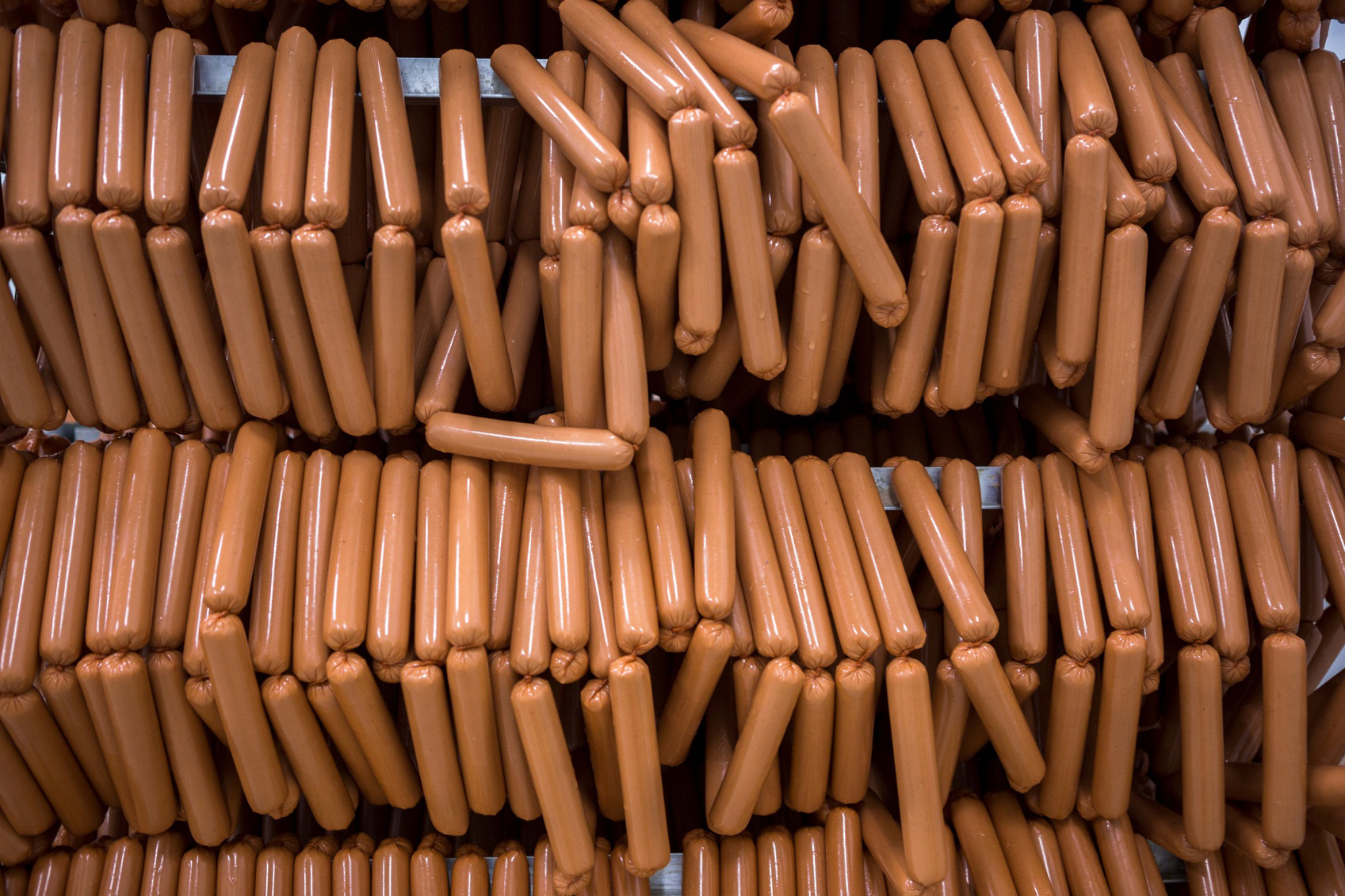 The first step into creating one of the most loved foods is the preparation of the meat. The meat is cut into small pieces and is placed into a large mixer. These mixers have chopping blades to further cut the meat into smaller sizes. Here the raw ingredients and flavorings are added. All are mixed until the mixture is a smooth paste consistency. Processes like this can require large control panels to operate the system and
  Once the smoking is completed, the link casings are removed by an automatic peeler. During this time, the hot dogs are sprayed with water to help bring down their temperature. Then the hot dogs are then transported to be packaged. Before going into the final packaging, the hot dogs are inspected to make sure there are no foreign ingredients in the product.