
Engineering-First Safety for Industrial Cooling — With No Compromise
 

Industrial cooling safety is entering a new era shaped by stricter environmental requirements, new refrigerants, and rising expectations for equipment safety under real operating conditions.

Industrial Protection & Safety is Pfannenberg’s integrated answer to this complexity.  It is a comprehensive, engineering‑driven safety system designed to help customers manage complex environmental safety, equipment protection, and regulatory compliance, without compromise to safety, performance, or reliability.

Pfannenberg is the trusted advisor, guiding customers through regulatory changes and technological transitions, including EU F-Gas compliance, while ensuring that safety is never diluted by simplification or short‑term trade‑offs often seen in the marketplace.

Safety Without Compromise – Grounded in Engineering Reality

At the core of Pfannenberg’s technology is a digital, norm‑based Safety Check that evaluates cooling systems based on real operating conditions, not theoretical assumptions.  The technology aligns with leading international standards, including:

  • EU F-Gas Regulations – GWP thresholds without forcing unsafe choices
  • ISO 817 – Refrigerant classification
  • EN 378 – Safety requirements for refrigeration systems
  • IEC 60335240 – Electrical safety and system design

The result is a transparent, structured risk evaluation with clear, actionable recommendations.  This enables engineers, safety managers, OEMs, and operators to make fact‑based decisions, without compromising safety for convenience or speed.

Engineering First.  No TradeOffs.  No Shortcuts.

Dr. Tobias Merl, Chief Executive Officer, reinforces the company’s safety philosophy: “The transition to environmentally friendly refrigerants is unavoidable.  But safety in industrial applications must never be compromised.  It must be engineered, based on real operating conditions, not simplified assumptions.  Pfannenberg ensures safety remains transparent, controllable, and uncompromised over the entire lifecycle.”

Environmental responsibility and equipment safety are treated as interdependent system requirements, not competing objectives.

From OneTime Compliance to Lifetime Safety Assurance

Pfannenberg replaces static compliance checks with continuous safety responsibility.  Through a Lifetime Safety Contract, customers gain:

  • Ongoing safety oversight without gaps or blind spots
  • Documented support for audits and regulatory reviews
  • Continuous alignment with evolving safety standards
  • Service and maintenance based on real‑world risk exposure

This approach ensures safety is maintained, verified, and protected over time, without compromise, even as operating conditions change.

Safe Solutions for Every Application – A Structured Refrigerant Strategy

As refrigerant regulatory compliance standards evolve, Pfannenberg provides clear, application‑specific guidance, balancing sustainability targets with uncompromised industrial safety.

  • R513A – For MRO and SafetyCritical Applications – offers a non‑flammable, high operational reliability solution that is ideal for retrofit and critical industrial applications.
  • CO (R744) – FutureReady Cooling – leverages a natural refrigerant for long‑term regulatory compliance and optimized for compact industrial applications.
  • Propane – For Outdoor Applications – high energy efficiency for use in controlled and defined environmental conditions.
  • R1234yf – Safe by Design – classified as A2L (mildly flammable) according to ISO 817, Pfannenberg mitigates any risk with patented protection technology.

Collective result: simple, user‑friendly solutions delivering robust, real‑world safety without operational limitations or safety concessions, while providing clear and safe choices for all applications and use cases.

Earl Rogalski, Chief Commercial Officer, explains the customer value: “Our customers should never have to choose between sustainability, uptime, or safety.  Pfannenberg allows them to move forward confidently, knowing safety is engineered into the system, without compromise or unnecessary trade-offs.”

Safety Is Not a Feature. It is an Uncompromised Expectation.

Pfannenberg Industrial Protection & Safety represents a clear position:

  • Engineering‑based safety with zero tolerance for shortcuts
  • Digital transparency instead of unclear assumptions
  • Lifetime protection instead of one‑time compliance

There should be no compromise when it comes to safety.
Protecting People, Machines, and the Environment.

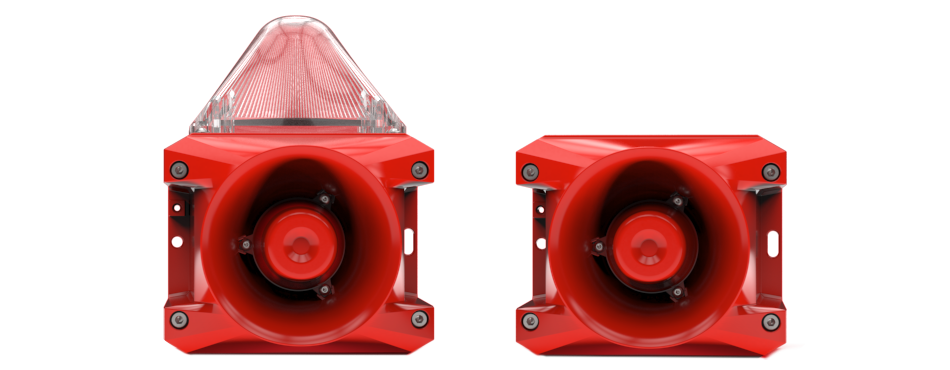
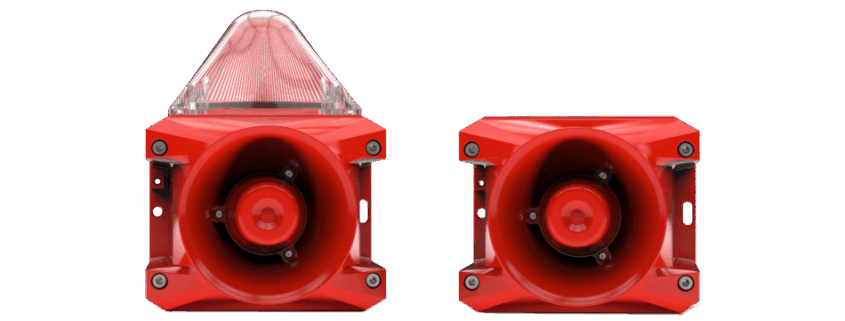
Product images of PRO 10 and PRO X 10 - harshest environments

Introducing the PROTECT Series: Pfannenberg’s New Benchmark in Industrial Signaling

Product images of PRO 10 and PRO X 10


At Pfannenberg, we’re committed to redefining what’s possible in industrial safety and signaling. Following our tradition of innovation, we’re excited to unveil the new PROTECT Series, a robust line of signaling devices engineered to thrive in the harshest environments and meet the highest standards for performance and safety.

Build for the Toughest Environments

The PROTECT Series sets a new standard for signaling durability, featuring a virtually unbreakable die-cast aluminum housing. This rugged construction ensures reliability across a wide range of industries, from fire alarm and marine applications to machine safety, functional safety, and hazardous areas. Whether you’re dealing with extreme weather, heavy impacts, or challenging industrial settings, the PROTECT Series is designed to deliver dependable performance where it matters most.

Versatile Solutions for Complex NeedsPRO 10 Audible Alarm in steel facility

The series includes both sounders and combined sounder-light devices, available with six different lens colors and options for either Xenon or LED visual signaling. This flexibility allows you to tailor your signaling solution to your specific application, ensuring maximum visibility and audibility.

Key Features at a Glance

Certified for Safety: The PROTECT Series meets stringent industrial standards, including Safety Integrity Level (SIL), Marine Equipment Directive, and UL Class 1 Division 2 Explosion Proof certifications. This ensures suitability for critical safety applications and hazardous locations.

Selectable Tones: With 80 tones and four externally selectable additional tones, you have precise control over your signaling. The pre- and main alarm function helps prevent shock reactions by starting with a reduced sound level before escalating, enhancing safety for personnel.

Adjustable Sound Pressure: Dip switch settings provide seven adjustments from 86–116 dB, so you can match the sound output to your environment’s needs.

Outstanding Perceptibility: High sound penetration and multi-voltage compatibility reduce the number of devices required, streamlining installation and minimizing inventory.

Easy Installation: Designed for quick setup to help minimize downtime and installation costs.

Spotlight on PRO 10 and PRO X 10

PRO 10: This versatile sounder is certified for marine, functional safety, and explosion-proof requirements. With a maximum sound pressure level of 116 dB(A) and an IK09 impact-proof rating, it delivers clear, reliable signaling even in the noisiest or most hazardous environments.

PRO X 10-05: Combining audible and visual signaling, the PRO X 10-05 features a high-performance Xenon flash strobe light, 5 Joules, and a sound pressure level of 116 dB(A). Its robust housing meets IP66/IP67 and NEMA 4/4X standards, ensuring resistance to dust, water, and mechanical impacts. Visual alarms provide comprehensive coverage and reducing the number of devices needed for full protection.

Engineered for Efficiency and Safety

Much like our approach with the DHS Hybrid Series, where we combined energy efficiency with maximum uptime, the PROTECT Series was made to simplify safety management. Its multi-functional capabilities, broad certifications, and rugged construction for the harshest environments make it a strategic investment for any facility prioritizing safety, reliability, and cost-effectiveness.


For more information about the PROTECT Series and how Pfannenberg continues to protect people, machines, and the environment, visit our PROTECT page.


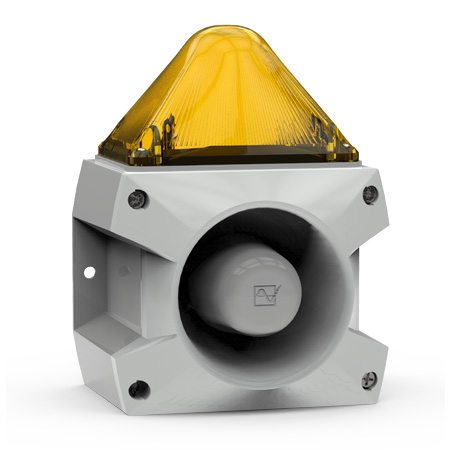
PA X 5-05

Enhancing Port Safety with Pfannenberg’s PA X 5-05 Signaling Solution


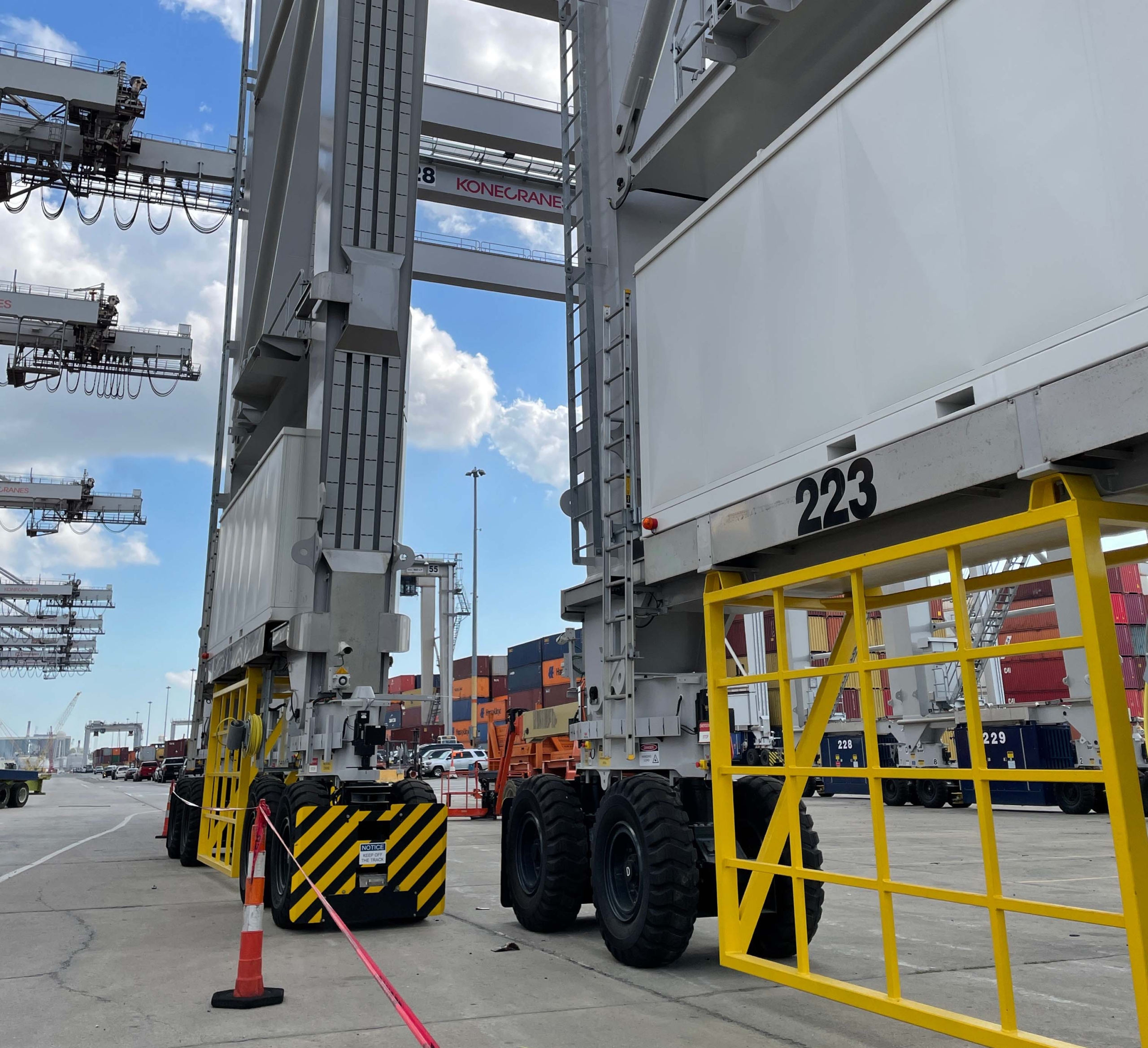
Crane Safety Challenges in Port OperationsCrane Port

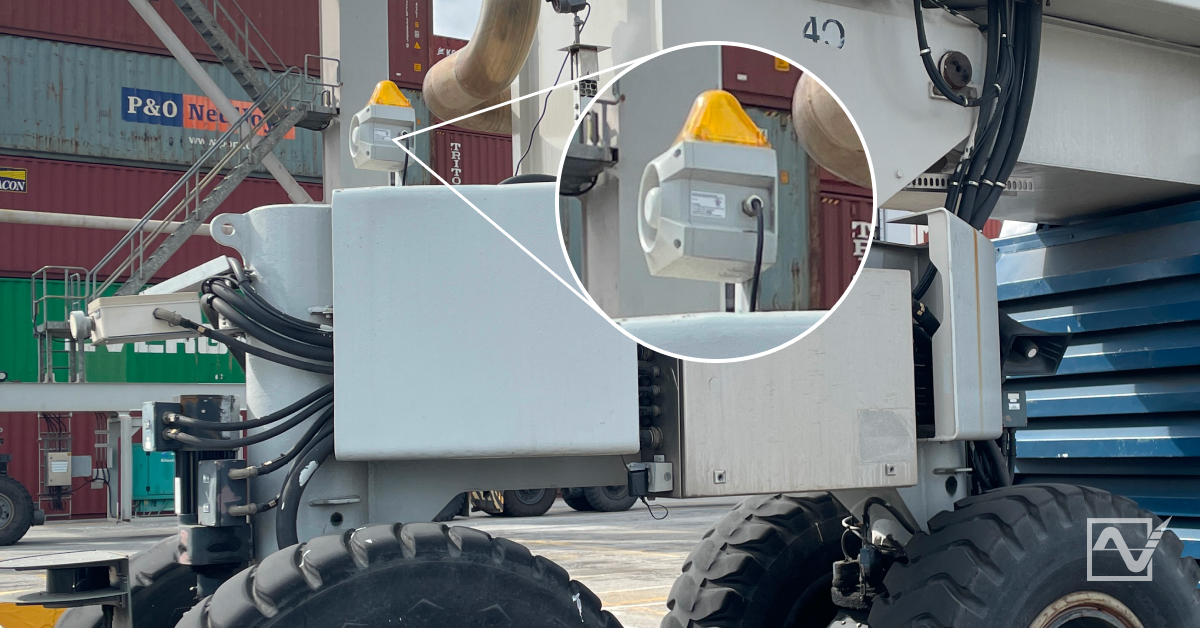
Rubber-Tired Gantry (RTG) cranes play a vital role in the smooth operation of ports, facilitating the movement of containers across expansive terminals. However, ensuring the safety of workers in such environments is no easy task, especially when signaling equipment fails to perform reliably. This was a significant concern for a large East Coast port operator, where existing safety signals on RTG cranes frequently malfunctioned due to water intrusion and harsh environmental conditions. The consequences were costly: high maintenance expenses, increased downtime, and heightened safety risks. To address these challenges, the port operator sought a robust solution capable of enduring outdoor conditions while providing consistent, reliable alerts. Enter Pfannenberg’s PA X 5-05 signaling solution.


A Durable Solution for Demanding EnvironmentsPA X 5-05

The PA X 5-05 is part of Pfannenberg’s Patrol series, designed to deliver superior performance in demanding industrial environments. Combining a high-intensity 107 dB(A) sounder with a 5 Joule strobe light, this dual-signaling device ensures that workers are alerted both audibly and visually to the movements of RTG cranes.
Unlike the previously used units, the PA X 5-05 is IP66-rated, fully protecting it against water and dust. This feature directly addresses the frequent failures caused by water intrusion. Additionally, its wide operating temperature range (-40°C to +55°C) ensures reliable performance in all weather conditions, from icy winters to scorching summers.
The pre-wired components of the PA X 5-05 simplify installation, reducing the downtime required to retrofit RTG cranes with this new technology—a critical advantage in high-demand port operations.

The Advantages of Dual Signaling

Safety in noisy, visually obstructed environments like ports often depends on redundancy in signaling. The PA X 5-05 excels with its combination of audible and visual alerts. The sounder, adjustable up to 107 dB(A), cuts through the din of operational activity, while the strobe light, with 5 Joules of flash energy and 60 flashes per minute, ensures visibility over long distances, even in foggy or rainy conditions. This dual-alert system enhances worker awareness and reduces the likelihood of accidents, ensuring that safety remains uncompromised.

Results That Speak for Themselves

By replacing failure-prone signaling units with the PA X 5-05, the East Coast port operator experienced immediate improvements. Maintenance costs plummeted as the durable design of the PA X 5-05 minimized the need for frequent repairs and replacements. Safety also significantly improved; reliable alerts ensured that RTG cranes were never operated without proper signaling, protecting both workers and equipment.
Additionally, unplanned downtime caused by signaling failures was drastically reduced, boosting overall productivity. The success of the PA X 5-05 at this port quickly garnered attention from other operators, driving adoption of the system across additional locations.

A Safer Future with Pfannenberg

Pfannenberg’s PA X 5-05 sets the standard for signaling in industrial environments, offering unparalleled reliability and performance. Beyond delivering advanced products, Pfannenberg provides expert consultation services to help port operators evaluate their unique needs and implement solutions that optimize safety and efficiency. For ports looking to enhance safety, reduce costs, and minimize downtime, the PA X 5-05 is a proven solution that continues to raise the bar for signaling technology.

Patrol on RTG Crane at Port

3D-Coverage Enhances Fire Safety with Performance-Based Standards for Emergency Signaling

3D Coverage iage with Pyra and Patrol products

Fire Safety Protocols: Candela Rating vs. Performance-Based Standards

Emergency signaling is an essential component of fire safety. The National Fire Protection Association (NFPA) offers performance-based standards as one of two frameworks specifying signaling requirements, alongside traditional candela ratings. Performance-based standards offer the superior approach, not only strengthening the safety of system design, but also resulting in a more cost-effective procedure.

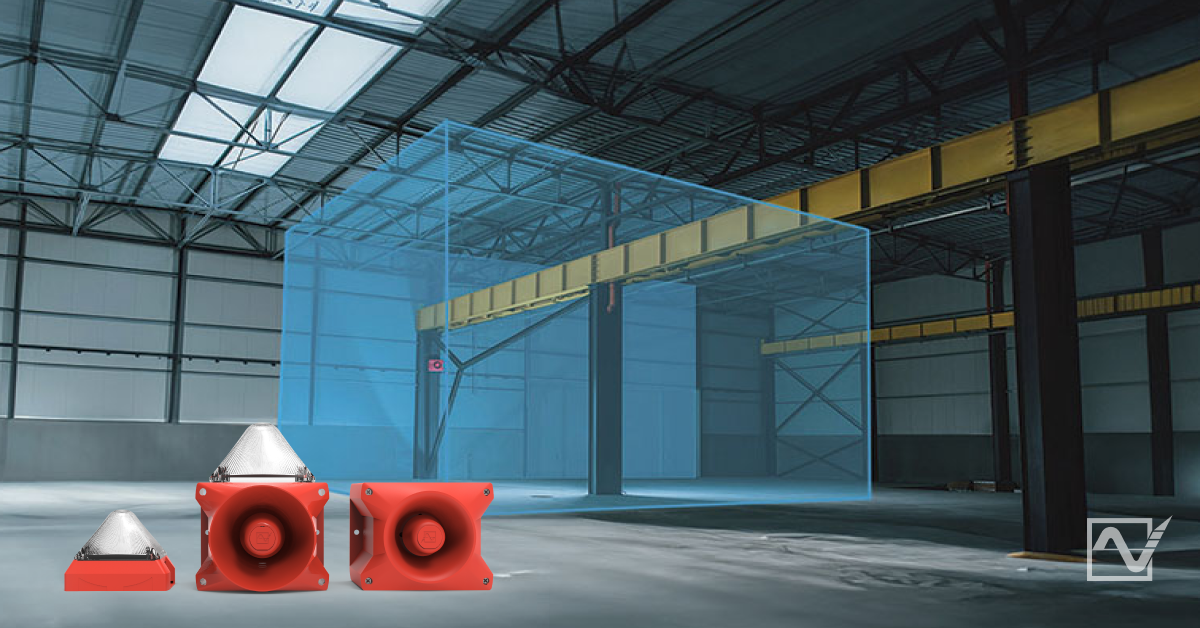
Pfannennberg’s 3D coverage offers a performance-based approach that takes into account factors measuring the effectiveness of audio and visual based signaling, including environmental factors, to ensure that emergency signals reach everyone in a given facility in the midst of an emergency situation.

How Performance-Based Standards Lower Costs While Increasing Safety

Performance-based standards for emergency signaling account for a range of variables in both audible and visual signaling devices. Tone, frequency range, environmental noise, and the required distance for effective signaling all factor into the performance of audible signaling devices. These standards ensure the performance of visual signaling devices by setting minimum illuminance levels, and also considering the technology in use and visual perceptibility. Considering these performance-based metrics allows organizations to optimize the placement and number of devices, eliminating redundancy to lower costs.

Pfannenberg’s 3D coverage implements performance-based standards to increase safety and cut costs. Optimizing the number of signaling devices in a given area ensures that organizations do not install more devices than they need. Fewer devices means less wiring (the most costly part of installation) and less labor costs. Organizations can also mount Pfannenberg’s devices on steel I-beam columns, walls, or ceilings. This versatile coverage enables strategic positioning that maximizes coverage area, allowing organizations to install even fewer devices.

Performance-Based Tools and Planning by Pfannenberg

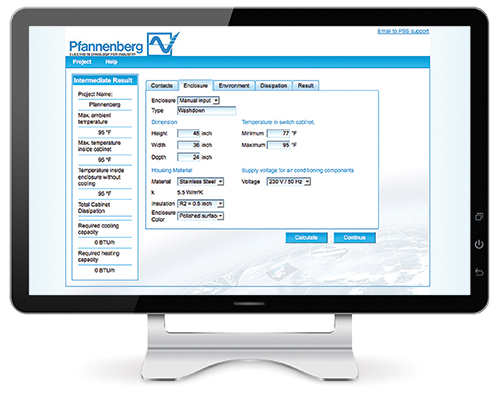
Pfannenberg provides customers with advanced tooling to empower them to seamlessly and effectively implement performance-based standards for fire safety emergency signaling. Building Information Modeling (BIM) and Active Support form the foundation of Pfannenberg’s industry-leading solutions.Comouter screen of software

BIM software creates a digital  CAD model of an area outfitted with signaling devices, such that users can simulate and evaluate device coverage in a digital environment. Active Support offers service-based support harnessing the deep experience of Pfannenberg team members who offer extensive documentation detailing the ideal device positioning strategy. In addition, Pfannenberg’s experts provide training on performance-based methods and consulting on international and domestic standards, helping customers effortlessly meet NFPA standards and providing full proof of compliance.

Pfannenberg’s PATROL and PYRA provide top-of-the-line auditory and visual signaling solutions. Renowned for high performance, versatility, and innovative design, these devices fit diverse applications across fire and gas alarming functions, in addition to workplace and machinery safety. PATROL produces the loudest sound level in its class, generates a wide range of tones and frequencies, and is highly customizable, cutting across harsh industrial environments and large industrial spaces with ambient noise. PYRA delivers superior visual signaling with a bright and highly visible output that cuts across distances in both indoor and outdoor settings. PYRA also offers a wide variety of flash patterns and frequencies, highly customizable to ensure signals are seen from afar and from any angle. Both PATROL and PYRA are rugged devices built to endure the toughest industrial environments.

Pfannenberg’s 3D Coverage has You Covered

Organizations who choose Pfannennberg’s 3D coverage benefit from all the advantages of performance-based metrics, including planning reliability and the prevention of expensive retrofitting. Performance-based standards prove far superior to a one-size-fits all approach, providing a dynamic solution that enhances overall safety while reducing costs across the board. At the end of the day, Pfannenberg’s 3D coverage gives organizations complete confidence that they will meet NFPA standards while ensuring the safety of their personnel, and this peace of mind is of immeasurable value.

Fire Alarm SIgnaling Solutions - Pfannenberg NFPA

Find Pfannenberg’s Industrial Fire Alarm Signaling Solutions at 2024 NFPA Conference & Expo


Pfannenberg to Showcase Industrial Fire Alarm Signaling Solutions at 2024 NFPA Conference & Expo


Meet Us at Booth #2220 to learn more about our solutions


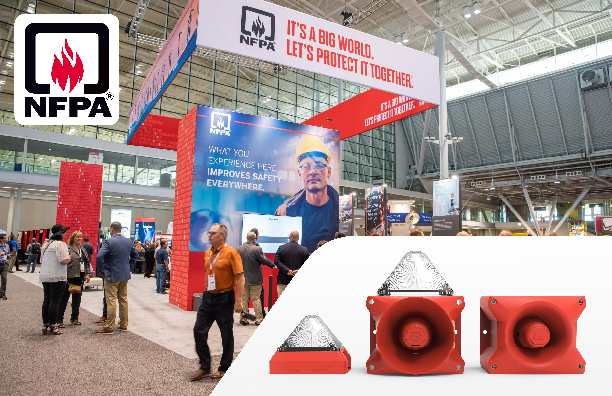
Pfannenberg will present innovative fire alarming solutions tailored specifically for industrial applications at the upcoming 2024 NFPA Conference & Expo, scheduled from June 17 to 19 at theImage of the NFPA show and Pfannenberg product Orange County Convention Center in Orlando, Florida.  Meet us at Booth #2220 to see a range of visual alarms (strobes), audible alarms (horns), and combined devices. These essential technologies meet NFPA standards, establishing our signaling devices as a quality piece of an effective fire protection system.

“Pfannenberg is continually innovating and improving fire protection alarms, striving to ensure their effectiveness and compliance with the latest safety protocols for industrial and warehouse spaces,” says Jacob Vernon, Product Manager – Audible and Visual Signaling. Our signaling solutions are specifically designed to comply with NFPA 72 guidelines for both public and private mode applications. The T3 tone found in our sounders meets the offset requirements with 10dB for Private Mode and 15dB for Public Mode, ensuring optimal performance in various environments. Our PATROL & PYRA range of products are UL listed and fully compliant with NFPA 72 standards.

Additionally, we go above and beyond the requirements outlined in NFPA 72 18.5.5.6 for “Performance based alternatives.” Our sizing requirements exceed the minimum requirements specified in sizing chart Table 6-4.4.1 for 0.4l/m2, providing enhanced safety and reliability for customers.

We integrate cutting-edge technology into its fire alarm solutions, ensuring seamless planning and implementation. Our products are easily adaptable to Building Information Modeling (BIM) software, facilitating the planning of alarm systems with accurate 3D coverage. Also, our proprietary 3D coverage software enables users to design and plan alarming systems with precise coverage information for each signaling device. This optimization allows for the efficient deployment of units, reducing costs and enhancing the overall effectiveness of the alarm system.

At the conference, we will showcase the PATROL and PYRA Series Audible and Visual Alarms, engineered to excel in adverse conditions such as high ambient noise levels and bright surroundings. With sound outputs ranging from 100 dB to 122 dB, these alarms ensure clear and unmistakable signaling, even in the most challenging environments. Our PATROL PA X Series Audible and Visual Alarms feature a range of extremely bright and highly visible flashing strobe lights with a choice of 5 to 15 Joules flash energy, and high-quality components ensuring 70% light emission even after 8 million flashes, making them ideal for fire prevention as they can be seen through smoke, enhancing safety in critical situations.

“By leveraging cutting-edge technology and industry best practices, Pfannenberg’s comprehensive approach to fire prevention aims to safeguard lives and protect assets in the face of fire hazards,” emphasizes Vernon.


Visit Pfannenberg at booth #2220!


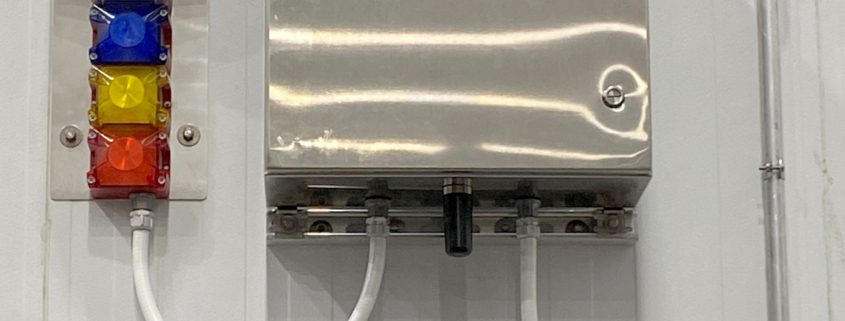
PA L 1-R image on a panel

Pfannenberg USA Announces Launch of PA1-R and PA L1-R Signaling Solutions

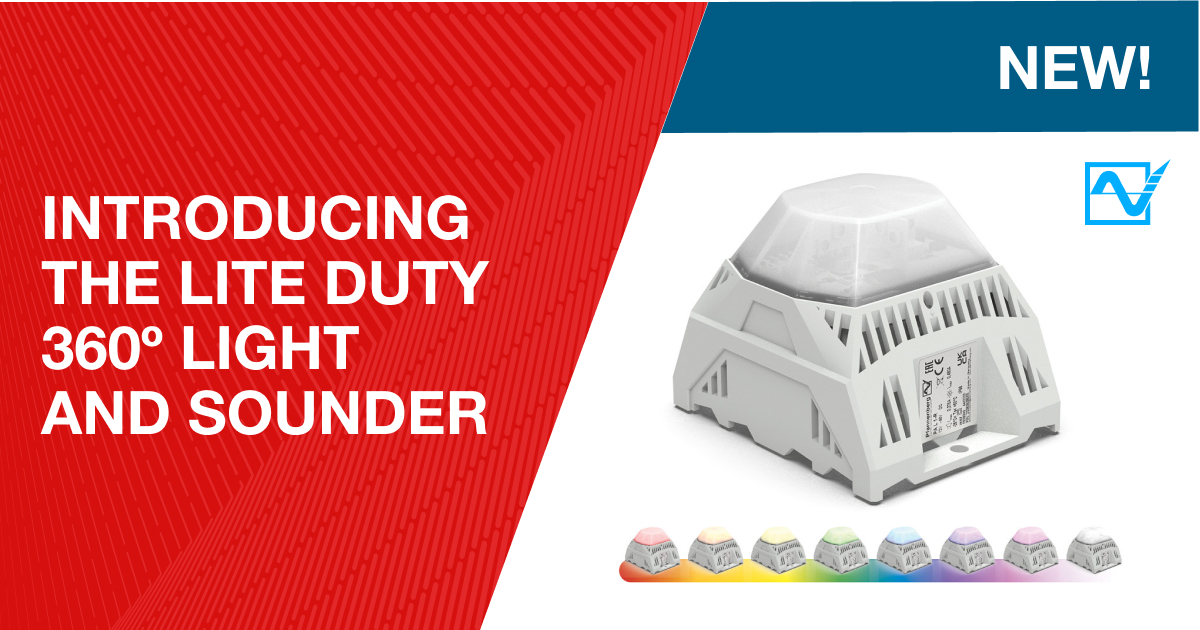
The lite duty PA L 1-R, RGB LED

We are proud to launch the PA1-R and PA L1-R, the ultimate signaling solutions for light duty applications. These products deliver high performance in an economical package, ensuring a safe and reliable signaling solution for audible (PA1-R) and combined audible, visual (PA L1-R) needs. The PA 1-R and the PA L1-R are the go-to choice for automation, material handling, and machine building applications where status and indication lights and sounds are critical safety measures needed to notify staff about current or imminent events.


The PA1-R features just sound while the PA L1-R is highly customizable, providing independent control of light and sound, allowing users to signal with sound only or a combination of light and sound. For the audible alarm in both products, users can choose from 70 tones and reduce the volume to meet application needs, selecting from 85dB, 92dB, 98dB, and 105dB to fit a range of environments.


PA L 1-R image on a panel

The PA L1-R also allows users to select the perfect color light signal to fit their intended application with the RGB version of the product, including green, yellow, amber, blue, purple, red, white, and magenta. To best suit the environment of the application, users can also choose between continuous, blinking, flashing, and rotating LED lights. Rotating LED lights offer an ideal alternative in contexts where blinking features may have limited visibility. On top of this, the signal’s top-mounted installation ensures excellent 360-degree perceptibility with its radial design.


Both versions feature a multi-voltage-power supply of 10-60 V DC and 95-265 V AC, making them one size fits all options for the needs of your application. They are also available with an optional M12 connection, allowing for quick connect without wiring or the need for an electrician. This versatility and ease of connection allows the signals to be versatile and adapt to any application, saving time and money.


Click here for the PA L 1-R & PA 1-R Flyer.


Signaling horn with LED lights wireless

A Look at Signaling Industry Trends

Wireless and LED Technology Offers Flexibility and Reliability

By Jake Vernon, Pfannenberg USA, Inc.

Emergency notification systems are critical to plant safety, but can be unwieldy and costly. A number of variables impact the implementation of an effective signaling system including the size of the facility, the types of alerts needed, budget constraints, and the type of work the facility conducts. To meet these variables, the signaling industry trends have moved toward the use of more flexible and reliable signaling solutions developed around cost-effective wireless and LED technologies.

Signaling Industry Trends: Emerging Technologies

Wireless technologiesSignaling horn with LED lights wireless

Wireless signaling capabilities have greatly expanded and consequently, the emergency alert industry has seen an increased interest in integrating wireless technologies into emergency alert systems. Moving signaling systems to wireless channels, such as Wi-Fi or radio, poses two significant benefits to customers. First, the cost savings for a wireless system can be tremendous. In a large food processing facility, for example, the cost of wiring can far exceed the price of the signaling devices. Electrician fees can make up 50-75% of installation costs for a wire-run signaling system.

Along with Wi-Fi network systems being quicker and easier to install compared to wired systems, they can also be easily expanded or adapted to accommodate new notification devices. This flexibility makes them ideal for situations where scalability is a concern. They also enable the potential for all emergency notifications (gas leak, fire alarm, active shooter alerts) to be centralized in one system, where they can be dispersed to necessary stakeholders. Wi-Fi systems can be easily integrated with other communication and notification systems, such as smartphone apps or central control centers. This enhances the effectiveness of emergency notifications by reaching a wider, or more targeted, audience.

Centralizing emergency alerts allows companies to aggregate their emergency alert data. This data provides tangible safety metrics for tracking against company KPIs. Its tangibility also makes this data actionable. Ultimately, bolstering employee safety and keeping additional employee costs down.

LED technologies growing in popularity

Equipping emergency alert systems with LED lights is growing in popularity as well. LEDs are extremely versatile and offer unparalleled reliability. LED offers a long use life, with over 50,000 hours of on-time. Plus, they offer variability in presentation. LED lights can stay on continuously, blink, flash, and dim—all great options for differentiating between emergency notification signals. LEDs are also available in various colors, allowing for flexibility in designing emergency notification systems. Different colors can convey specific messages or indicate different types of emergencies. For example, red lights might signal a fire emergency, while blue lights could indicate a medical emergency.

LED lights are highly energy-efficient, consuming significantly less power than traditional incandescent or fluorescent lights. This longevity is crucial for emergency notification systems, which may need to operate for extended periods of time during power outages or emergencies. LED lights can also be powered by batteries or backup generators.

Compared to incandescent lights, LED lights produce very little heat. This reduces the risk of fire hazards and allows LEDs to be used in various applications and even enclosed spaces. LED lights can easily be integrated with modern control systems, enabling automated or remote activation as part of a comprehensive emergency notification system.

Overall, the energy efficiency, reliability, and flexibility of LED lights make them an excellent choice for emergency notification systems. However, while LED is growing in popularity, Xenon still offers the highest-impact flash. In high intensity scenarios, a blinking LED might not be the best suited for catching employee attention. That’s a situation where a Xenon-powered strobe might be more effective.

Consistent Considerations

Outdoor rating, candela, and decibel outputs are crucial factors that contribute to the effectiveness of an emergency notification system, especially in outdoor or public spaces where visibility and audibility are paramount. These factors are becoming consistent specification considerations for facility managers putting together their emergency notification system. Here’s how each of these factors plays a role:

Outdoor Rating:

Outdoor-rated notification devices are designed to withstand exposure to the elements, including rain, snow, UV radiation, extreme temperatures, and dust. This durability is critical for ensuring that the system remains operational during all weather conditions. Because outdoor environments can accelerate the corrosion of materials, corrosion resistant materials are often preferable. Outdoor-rated components are often made from materials that resist corrosion, ensuring the system’s long-term reliability. Additionally, outdoor-rated devices are typically built to withstand physical impact, reducing the risk of damage due to accidents, vandalism, or other factors.

Candela (cd)& Decibel (dB) Output:

Candela output measures the brightness or intensity of the light emitted by visual notification devices, such as strobe lights or beacons, while decibel output measures the intensity of sound deployed by audible notification systems. In an outdoor emergency notification system, higher candela and decibel output is essential to ensure that the visual signals are visible over long distances and in bright daylight conditions.

The ability to adjust the candela output can be important, as it allows for tailored signaling depending on the specific emergency or the audience. For example, raising the candela output or utilizing a Xenon-powered strobe can be more effective for a person with impaired hearing. Conversely, some emergency notification systems use varying decibel outputs and tones to signal different types of emergencies. This can help people distinguish between various alerts, such as fire alarms, severe weather warnings, or security incidents.

Conclusion

As technology advances, signaling industry trends in wireless solutions and LED lighting have emerged as frontrunners, offering flexibility, reliability, and cost-efficiency. Wireless systems, powered by Wi-Fi or radio, can be swiftly deployed, adapting to ever-changing needs and centralizing emergency alerts. LED lights, known for their longevity and energy efficiency, provide versatile visual signaling options, which can be critical in distinguishing between various types of emergencies. While LED is on the rise, the highest-impact flash of Xenon remains unmatched in intense scenarios.

Consistency and reliability remain key as facility managers continue to weigh these emerging trends and their specific environments. Outdoor-rated equipment, designed to withstand the harshest conditions, ensures operational reliability. Candela and decibel outputs, as measures of brightness and sound intensity, hold the key to delivering effective alerts over vast distances, even in the brightest of daylight. Customization options, like adjusting candela output and employing Xenon-powered strobes, cater to diverse audiences, including those with impaired hearing.

In this dynamic landscape, where technology and user needs intersect, a successful emergency notification system remains rooted in these core considerations. It combines the latest trends in signaling industry innovation with steadfast reliability to protect lives and assets, ensuring that the right message is heard and seen when it matters most.


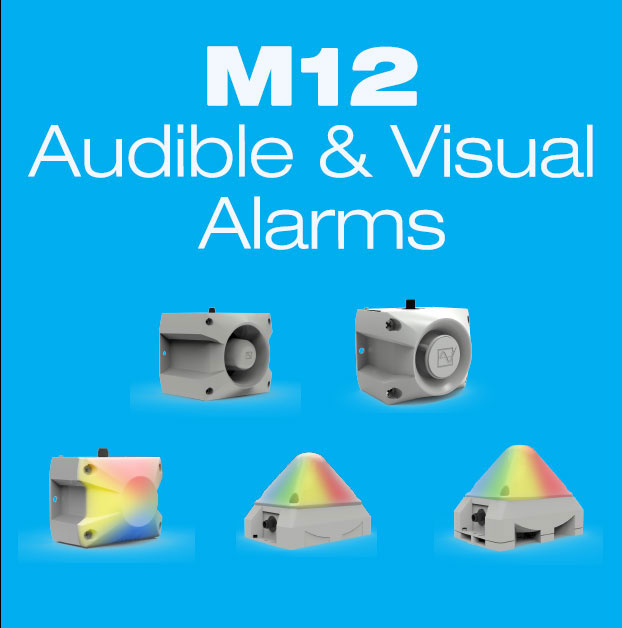
Pfannenberg Announces M12 Compatible Audible and Visual Signaling Solutions

Our full product range of M12 compatible audible and visual signaling products are now available. The latest addition of M12 connectable INTENSE BR50 Stacklights makes us the only North American provider to offer a full suite of M12 ready signaling solutions.

Fast Installation

M12 technology removes the need for an electrician or electrical installer to wire the device as the connections and DIP switches are already made. A traditional install may take an expert 5-10 minutes per device, while an M12 connection can be made in 30 seconds with no electrical expertise. This makes installation significantly faster and less costly for the customer. And, since the device does not have to be opened during installation, wiring and connection errors are avoided, resulting in increased machine and plant safety. Finally, the connection can easily be undone which means power does not need to be turned off to the system to perform maintenance, saving time and money

Plug and Play

With the addition of an M12 cordset, our signaling devices become plug and play ready for low voltage, 12 volts DC or 24 volts DC, applications. All our M12 compatible signaling devices are pre-assembled and wired for quick installation.  Simply mount the device to your machine and plug in your M12 wire connection. Our M12 connectors offer Pin compatibility and flexibility allowing the devices to be set up to suit the precise signaling needs of the customer.

M12 Compatible Signaling Devices

Our full range of M12 compatible audible and visual alarms include the PATROL series sounders, PYRA flashing and LED lights, combined devices with flashing light and sounder, and INTENSE BR50 stacklights. For PATROL and PYRA sounders and flashing lights, the M12 connections are all 4-Pin while the BR50 stacklights are 8-Pin connections. The PATROL sounders and combined audible devices offer 4 tones in the M12 compatible versions with 80 tones to choose from. The combination devices also offer multiple tones, colors, and frequency modes for each device. The BR50 M12 devices control each individual module stack.


For more information about Pfannenberg’s full suite of M12 compatible audible and visual signaling solutions, visit: https://www.pfannenbergusa.com/signaling-technologies/specialty-signaling-devices/m12/.

Find Pfannenberg’s Gas Detection Audible and Visual Alarms at IIAR Natural Refrigeration Conference & Heavy Equipment Expo 2023

Pfannenberg to Showcase Fixed Gas Detection Audible and Visual Alarms at IIAR Natural Refrigeration Expo 2023


Meet Us at Booth #756 to learn more about our solutions

IIAR March 12-15 Long Beach, CA

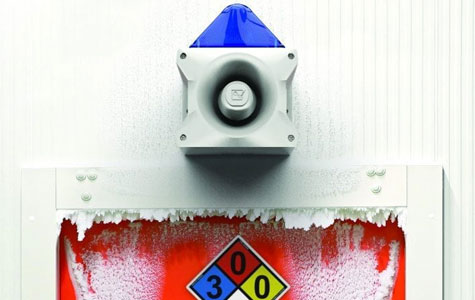
Pfannenberg will highlight our combined visual-audible signaling products at the upcoming IIAR Natural Refrigeration Conference & Heavy Equipment Expo March 12-15, 2023 at the Long Beach Convention Center. As the industry expert in ammonia gas detection alarming, we produce visual alarms, audible alarms, and combined devices. Our signaling devices are industry leaders in quality, safety, and robustness for proper ammonia coolant system design under IIAR-2A standards.

Ammonia gas leaks can be both dangerous and deadly. Ammonia leaks continue to rise due to:

  • the increased use of natural refrigerants over fluorinated gas counterparts, and
  • population growth, which increases the need for cold storage. In the face of this increased risk to worker safety, the International Institute of Ammonia Refrigeration (IIAR) has updated its standards for the safest regulation of this dangerous gas.

As of 2021, IFC refrigeration systems that use ammonia refrigerant, along with the buildings where they are used, must comply with IIAR2 for system design and installation, IIAR-6 for maintenance and inspection, and IIAR-7 for operating procedures. Though these standards help ensure safety and efficacy, guidelines for selecting the correct audible and visual alarms can be buried deep within this regulatory code and, accordingly, these standards can be difficult to adhere to.

Pfannenberg offers an effective approach to product selection, one that assists the customer in choosing the correct signaling device based on the conditions of the area where ammonia is present. This approach, known as Signaling 3D-Coverage, ensures that the workers can hear and see an alarm when it is activated, no matter where they are when ammonia is present.

Pfannenberg specifically seeks to foreground the durable PATROL PA X Series Audible and Visual Alarms, the ideal solution for alarm applications for adverse environmental conditions like high ambient noise levels or bright surroundings. The PATROL PA X Series Audible and Visual alarms range from 105 dB to 122 dB in sound output. The PA X Series is easy to install making it extremely safe. It also boasts extremely high efficiency and good penetration of acoustical obstacles, which significantly reduces the required number of sounders for a location. The alarms feature 80 tones and a 5-15J Xenon Strobe.


The updated IIAR-2A regulations harmonize with Pfannenberg’s cutting-edge methods for selecting proper signaling devices, such as the PA X PATROL Series Alarms. In light of the incredibly high risks of ammonia leaks, this combined effort can save lives.


Visit Pfannenberg at booth #756!


Download Pfannenberg’s Ammonia Gas Detection Whitepaper to learn more!